Telogen Effluvium Treatment in Garforth

Understanding Sudden Hair Shedding: What Is Telogen Effluvium

Hair shedding that appears suddenly and across the entire scalp is often linked to a condition known as telogen effluvium. Unlike patterned hair loss, it does not follow a fixed progression, which is why it can feel unpredictable and difficult to interpret.

It occurs when a larger number of hair follicles shift into the resting phase at the same time, leading to noticeable shedding weeks after a trigger.

At Renova Hair, telogen effluvium treatment in Garforth is approached through a structured assessment first, ensuring the underlying cause is identified before any treatment pathway is considered.

Understand What May Be Causing Your Hair SheddingSpeak To A Specialist About Sudden Hair Loss

What Is Telogen Effluvium

Telogen effluvium is a temporary form of hair loss characterised by increased shedding across the scalp rather than a specific pattern. It occurs when a higher number of hair follicles shift into the resting phase of the hair cycle at the same time, often following a physical or emotional trigger.

Unlike progressive conditions, it does not permanently damage the follicles, which means recovery is usually possible once the underlying cause has been identified and stabilised.

Recognising The Signs; How Telogen Effluvium Presents

Telogen effluvium often develops quickly, making the change more noticeable than gradual thinning conditions.

Common signs include:

  • Increased hair shedding when washing or brushing
  • Hair falling out evenly across the scalp
  • Noticeable reduction in overall volume
  • Thinner ponytail or styling density
  • Shedding begins weeks after a trigger

Because shedding is diffuse, it is often confused with other conditions. Comparing patterns across different hair & scalp conditions helps confirm whether the change aligns with telogen effluvium.

Recognising The Signs; How Telogen Effluvium Presents

This condition is usually triggered rather than inherited. Identifying the cause is essential before considering treatment.


Physical Or Emotional Stress

Significant stress or illness can disrupt the hair cycle.

Hormonal Changes

Hormonal shifts can temporarily affect hair growth patterns.

Weight Loss & Nutritional Changes

Rapid weight loss can impact hair production, as explored in cases of weight loss-related hair loss.

Medication Or Health Conditions

Certain medications or health conditions may interrupt normal growth cycles.

Understanding triggers explains why treatment must focus on restoring balance rather than forcing regrowth.

Is Telogen Effluvium Permanent? Understanding Recovery

Telogen effluvium is usually temporary, but recovery depends on identifying and resolving the trigger.

Hair often begins to recover once the cause stabilises, though ongoing triggers may prolong shedding. A structured trichology consultation helps confirm whether recovery is already underway or requires support.

Find Out If Your Hair Loss Is Temporary Or Ongoing

How Long Does Telogen Effluvium Shedding Last

Shedding typically begins 6–12 weeks after a trigger and may continue for several months.

The timeline varies depending on:

  • Severity of the trigger
  • Whether it is ongoing
  • Individual hair cycles
  • Overall scalp health

While many cases resolve naturally, prolonged shedding may benefit from structured support.

What To Do When Shedding Starts; Taking A Structured First Step

When shedding becomes noticeable, the priority should be understanding the condition before choosing treatment.

A structured consultation helps to:

  • Confirm the diagnosis
  • Identify underlying triggers
  • Assess scalp health
  • Clarify realistic treatment pathways

This avoids selecting solutions based on assumptions and instead builds direction through a specialist trichology consultation.

Check Your Scalp Today

How To Stop Telogen Effluvium; Treatment & Support Options

Early-Stage Support

When triggers are resolved, the focus shifts to stabilising the hair cycle and encouraging normal growth patterns. Approaches such as low-level laser therapy may be introduced to support scalp function and consistency over time.

Regenerative Approaches

Where additional support is needed, treatments such as E50 exosomes for hair loss may be considered to help encourage recovery and improve overall hair quality, particularly in cases where shedding has been prolonged.

Integration & Density Solutions

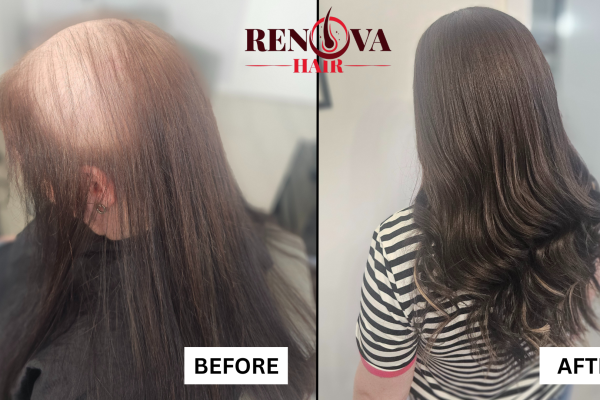
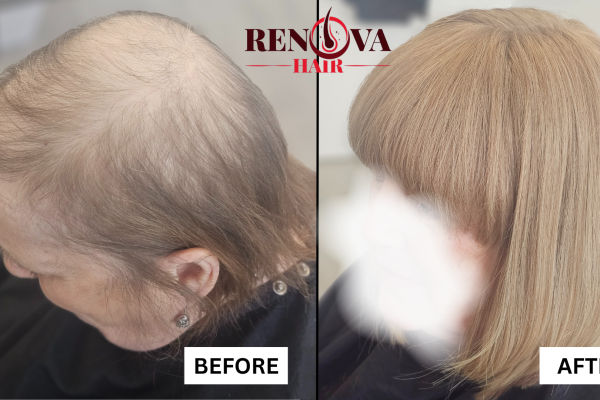
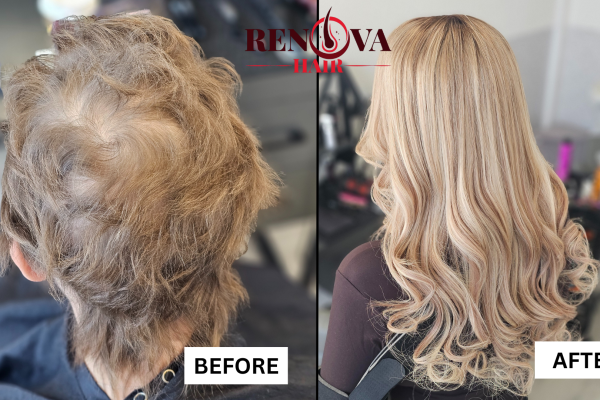
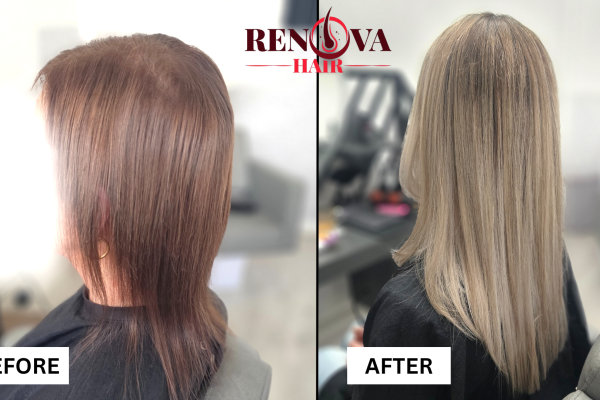
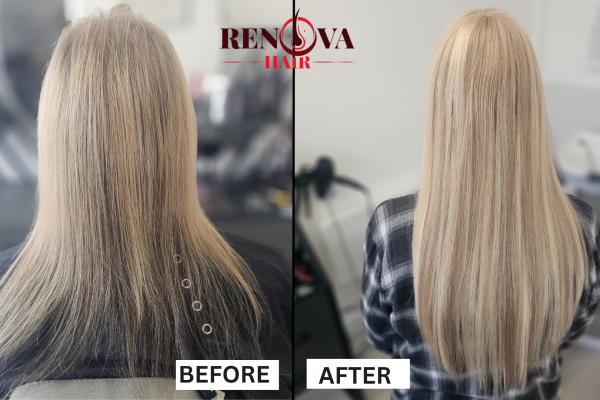
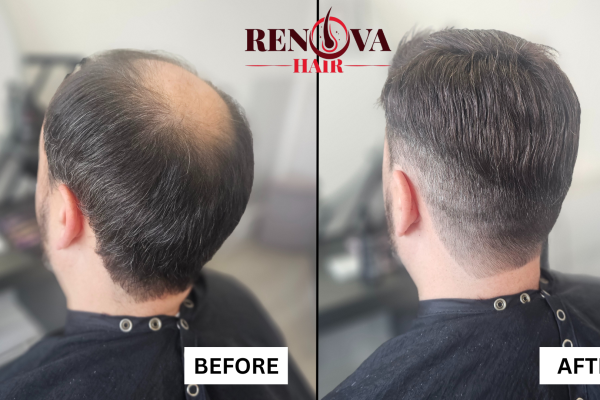
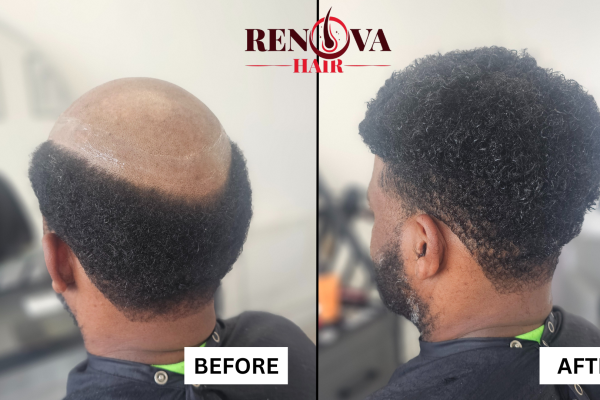
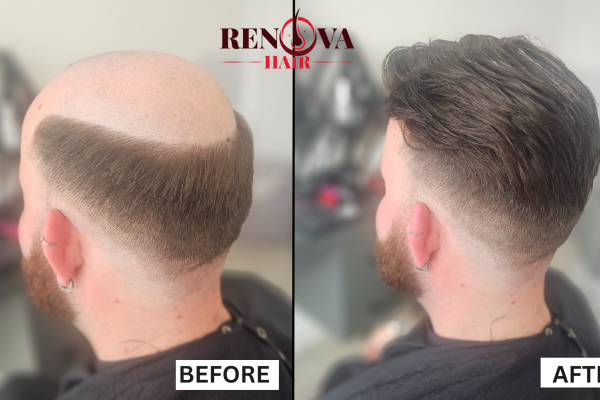
In situations where shedding has reduced density noticeably, approaches such as mesh integration or meshless hair integration can be used to restore the appearance of volume while natural recovery continues. These options provide a more controlled and immediate improvement without relying solely on regrowth.

Maintenance & Monitoring

Ongoing review ensures shedding reduces as expected and recovery progresses in line with your condition. Adjustments are made where needed to maintain consistency and avoid unnecessary intervention.

For those looking for a more immediate visual improvement while the hair cycle stabilises, options such as hair extensions may also be considered, depending on suitability.

Each pathway is tailored based on your condition, stage, and how your hair responds over time.

Explore Hair Loss Treatment Options

How The Process Works; From Shedding To Recovery

Step 1: Consultation & Diagnosis

A detailed consultation confirms the condition and rules out other causes.

Step 2: Identifying The Trigger

The underlying cause is identified through clinical discussion.

Step 3: Personalised Plan

A tailored approach is developed based on your condition.

 Step 4: Monitoring Progress

Shedding and regrowth are reviewed over time.

This structured process ensures clarity at every stage.

Differentiating Telogen Effluvium From Other Hair Loss Conditions

Condition How It Presents Key Difference
Telogen Effluvium Suddenly, diffuse shedding Trigger-based, often temporary
Androgenetic Alopecia Gradual thinning in the pattern Genetic, progressive
Alopecia Areata Patchy hair loss Autoimmune
Scalp Conditions Shedding with irritation Linked to scalp health
Traction Alopecia Hair loss around the hairline or tension areas Caused by styling tension
Postpartum Hair Loss Diffuse shedding after pregnancy Hormonal trigger, temporary
Anagen Effluvium Rapid hair loss during the growth phase Often linked to medical treatment
Seborrhoeic Dermatitis Flaking, itching with hair shedding Inflammatory scalp condition
Nutritional Hair Loss Diffuse thinning is linked to deficiencies Related to diet or absorption
Hormonal Hair Loss Thinning linked to hormonal imbalance May overlap with multiple conditions

Because conditions can appear similar, selecting treatment without diagnosis may delay effective results.

Identify Your Type Of Hair Loss

Realistic Outcomes; What Recovery Looks Like

Recovery is gradual, with regrowth taking time after shedding stabilises.

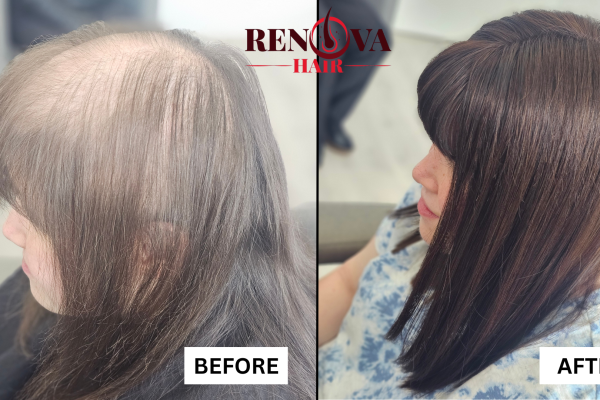
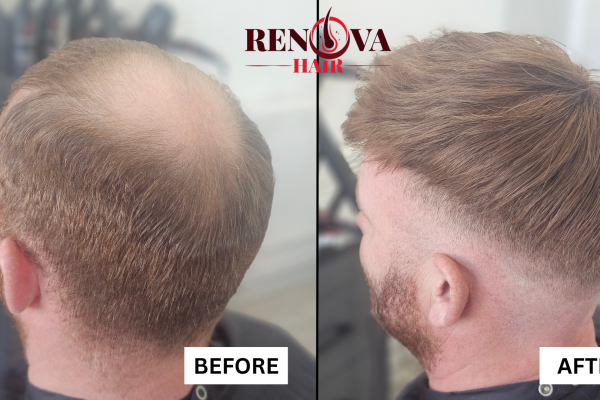
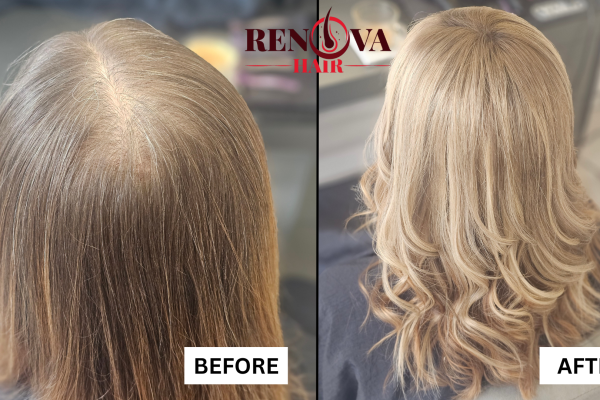
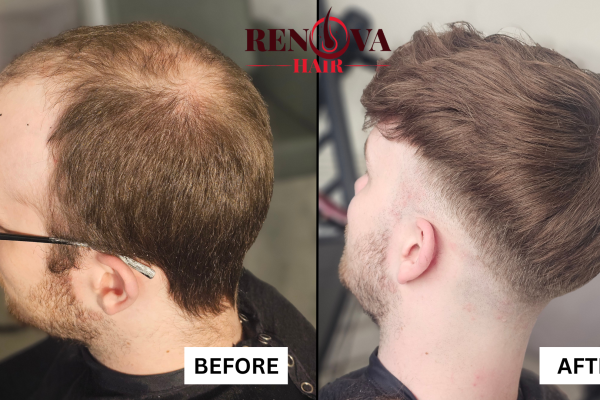
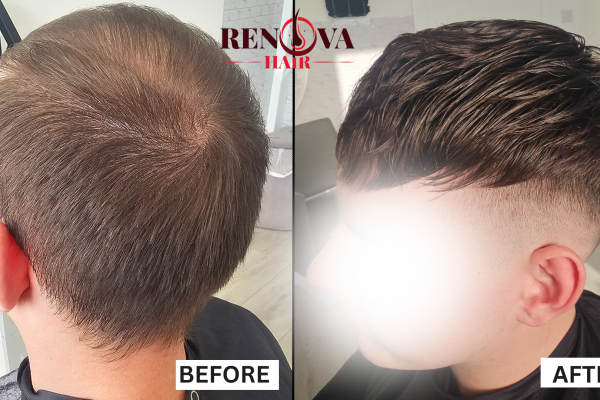
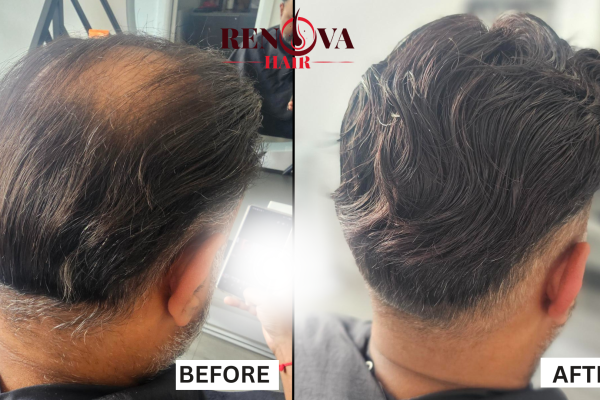
Reviewing real outcomes can help set expectations, which is why looking at hair restoration results can provide useful insight into different pathways.

Frequently Asked Questions

What triggers telogen effluvium most commonly?

Can telogen effluvium stop on its own?

How do I know if it is telogen effluvium?

Is telogen effluvium permanent?

Should I start treatment immediately?

Can stress alone cause telogen effluvium?

Does Minoxidil stop hair loss permanently?

Does telogen effluvium affect the entire scalp?

Can telogen effluvium become chronic?

Is treatment always required?

Can diet affect recovery?

Will my hair return to its original thickness?

Your Next Step: Regain Control With A Clear Plan

Sudden hair shedding can feel unsettling, especially when the cause is unclear. Taking a structured approach allows you to move from uncertainty to clarity.

At Renova Hair, we provide hair loss telogen effluvium treatment in Garforth through personalised assessments and tailored plans designed to support recovery based on your triggers and hair behaviour.

With years of experience in managing different hair loss conditions, the focus is on helping you regain control through understanding rather than assumption.

Start Your Personalised Hair AssessmentTalk Through Your Hair Loss With A Specialist

Get In Touch

Accreditations